
 Laserglow Marketing·Mar 18·5 min read
Why Complacency Isn’t a Behavior Problem, It’s a Systems Problem
We’ve all seen it. A team that starts off strong slips into risky shortcuts. Hazards that were once flagged get overlooked. Conversations about “why” slowly turn into shrugs about “just how it’s done.” When incidents happen, the word “complacency” gets thrown around like a diagnosis. But here’s the truth: Complacency isn’t a mindset issue. It’s a systems issue. In high-pressure industrial environments, even the most skilled, well-meaning workers can drift into unsafe habits. Not because they don’t care, but because the system around them stops reinforcing what’s safe. When the environment makes the risky choice easier than the right one, that’s not a worker failure. That’s a design failure. And if we don’t address the system, we end up chasing behavior without changing the conditions that drive it. That’s why the most effective safety leaders don’t just ask, “Why did this person make that choice?” They ask, “What in our environment made that choice seem reasonable in the moment?” That shift in thinking changes everything.
The Hidden Conditions That Shape Unsafe Behavior
Most safety professionals have heard this before: “He knew better.” But knowledge isn’t the same as action. We’ve worked with facilities where training was solid, inspections were routine, and policies were clear. And still, people were getting hurt. The deeper we looked, the clearer the picture became. Unclear visual cues. Tools stored inconsistently. Workflows that forced speed over precision. Gaps between leadership intent and frontline reality. In those spaces, the risk didn’t come from ignorance. It came from repetition. Small oversights built up into quiet patterns. And once a shortcut “worked” once or twice without consequence, it became part of the job. This isn’t about blaming workers. It’s about recognizing that behavior always has context. And if we don’t examine that context, we’ll keep fixing symptoms instead of causes.
🔽
Download our OSHA for Modern Facilities infographic
🔽

Why Auditing Behavior Isn’t Enough
Behavior-based safety programs can help teams spot trends and talk about risk. But when used in isolation, they put the burden on individuals to adapt to broken systems. That’s backwards. A strong safety culture doesn’t ask people to work around poor design. It removes the friction that tempts them to. That means leaders have to look beyond observations and near-miss reports. They need to audit the systems themselves:
- Are the safest choices also the fastest and most obvious ones?
- Do our visuals match how the space is actually used?
- Are expectations clear, consistent, and reinforced in real time?
Because when the environment is confusing, inconsistent, or poorly aligned with real work, it becomes the silent driver of risk.
The Drift from “Safe Enough” to “Unsafe Normal”
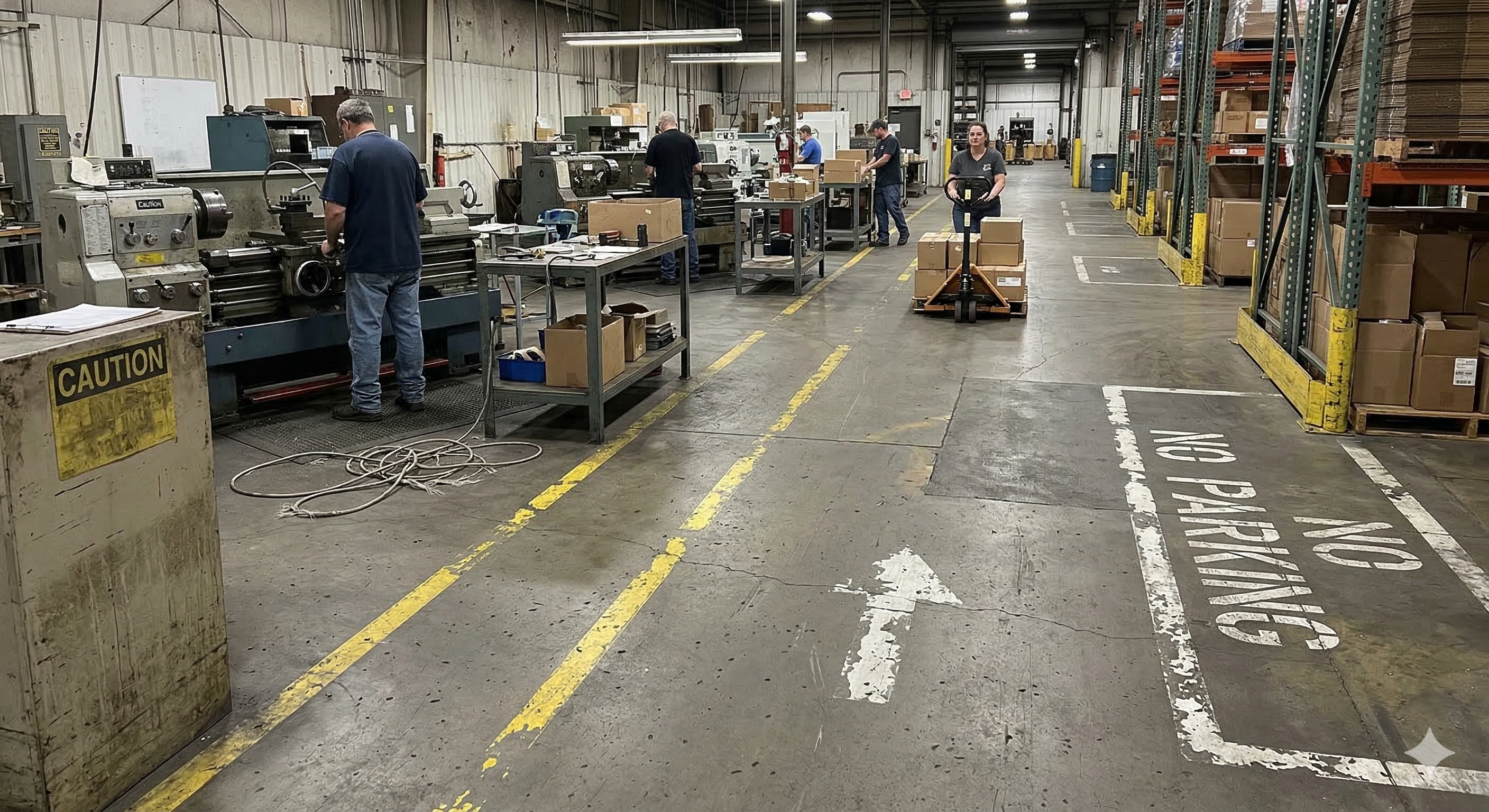
We’ve seen what happens when small inefficiencies are left to grow. A line gets painted once but never refreshed. A zone gets repurposed, but signs aren’t updated. A process change adds pressure, but no time is added to the task. Over time, these changes create a new baseline. Not because someone made a bad decision, but because no one stepped back to notice how far things had shifted. That’s how teams end up normalizing deviance, treating unsafe conditions as acceptable because “nothing’s gone wrong yet.” The problem isn’t that people stop caring. It’s that the system stops signaling what matters.
How Smart Systems Support Safer Habits
We’ve also seen the flip side: facilities where systems actively support safe decisions. Visual cues are kept up to date. Equipment is stored intuitively. Signage is placed at eye level, where it’s needed most. Supervisors walk the floor not just to enforce, but to listen. And when workers speak up, the system adapts, sometimes that same day. In these environments, safety isn’t an extra step. It’s built into the flow of work. That’s not just culture. That’s system design reinforcing culture.
Practical Ways to Audit Systems, Not Just People
If you want to fight complacency, start by looking at the environment. Here are four ways to begin:
- Walk the space like it’s your first day: Where would you hesitate? What’s unclear or poorly marked? Would a new worker know what to do without asking? These fresh eyes can reveal hazards that familiarity hides.
- Map friction points: Where are people forced to choose between speed and safety? Where are tools far from where they’re needed? Where do steps get skipped just to keep up? These bottlenecks are often the birthplace of shortcuts.
- Review past incidents for system causes: Instead of asking who made the mistake, ask what made the mistake possible. Was the process clear? Was the right equipment available? Was the timing realistic? Behind every unsafe act is usually an unsafe system.
- Involve the people doing the work: Ask them what feels inefficient, unclear, or risky. You’ll hear patterns. And you’ll build trust by acting on what you hear. The best system audits happen with, not to, frontline workers.
A Strategic Lesson from AMP
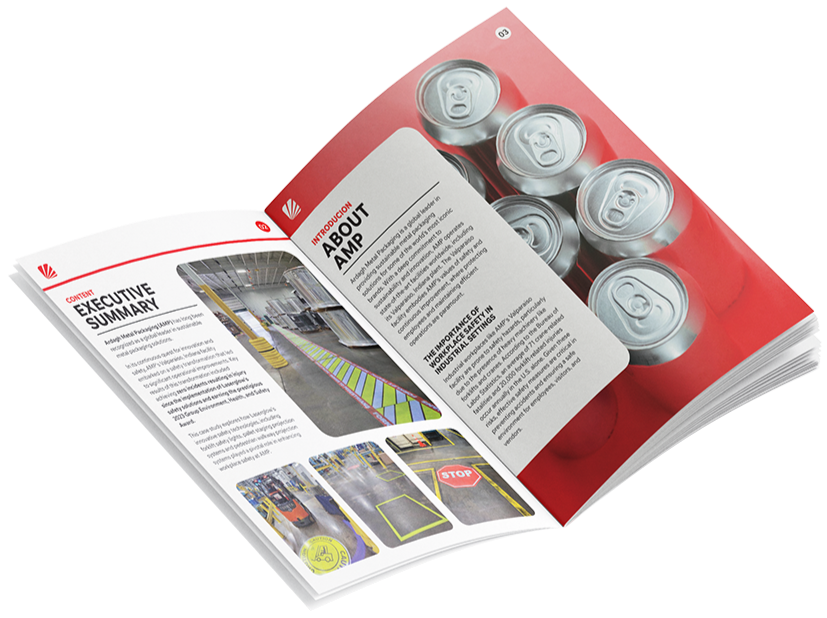
At AMP’s Valparaiso plant, the transition from painted safety lines to Laserglow’s SafetyCast™ 300 Walkway Projectors, SafetyCast 80 Sign Projectors and VirtuaLine™ Projectors for pallet staging solutions meant eliminating the need for shutdowns due to safety line maintenance. The result?A safer work environment, increased uptime, a more predictable workflow, and cost savings that were reinvested into operational improvements.
🔽
🔽
From Enforcement to Enablement
Safety shouldn’t feel like something people have to push against. It should feel like something that guides and supports them. That’s what strong systems do. They reduce friction. They reinforce awareness. They make the right choice obvious and the risky choice inconvenient. When safety is baked into how the work gets done, not layered on top of it, teams stop seeing it as a barrier and start trusting it as a tool. That shift doesn’t come from more rules. It comes from smarter design. Clear visuals. Logical layouts. Processes that match the pace of real work. These are the signals that tell people, “We’ve thought this through.” And when people feel supported, not policed, they engage more. They notice more. They speak up sooner. Complacency doesn’t stand a chance in that kind of environment. Because when the system works for them, your people work safer in return.

Why Choose Laserglow?
We are a North American facility with in-house R&D and a proven track record in delivering OEM-independent, patented solutions—the brightest in the market, with projects deployed nationwide. Our focus on cost-effective innovation ensures you get the most reliable and financially viable safety systems available.
🗓️

THE FUTURE OF WORKPLACE SAFETY SCHEDULE A MEETING WITH US TODAY! Setup a Meeting